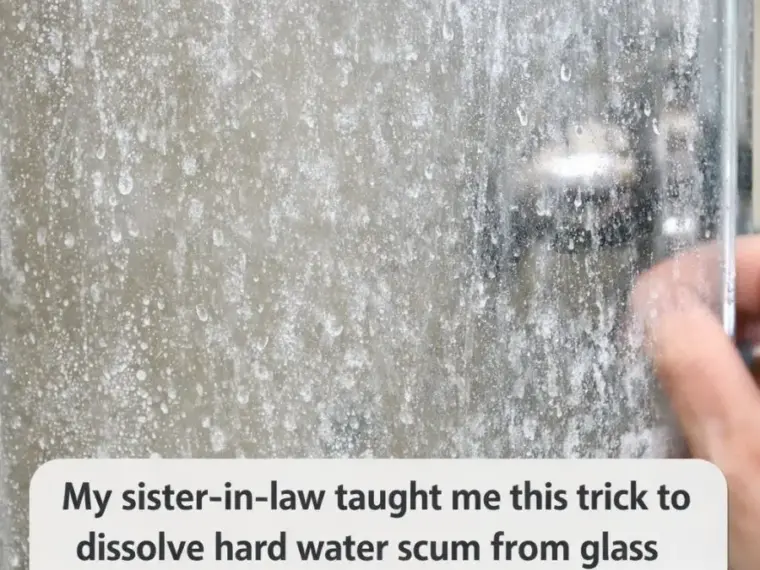
Cleaning the bathroom is one of those chores that many people dread, especially when it comes to tackling the stubborn hard water scum on glass shower doors. This unsightly buildup not only looks unpleasant but can also be notoriously difficult to remove. Many of us have spent countless hours scrubbing away with various commercial cleaners, only to find that the results are less than satisfactory.
Fortunately, there’s a simple and effective trick that can make this daunting task a breeze. My sister-in-law, who swears by this method, showed me how to dissolve hard water scum from glass shower doors with virtually no effort. This approach uses common household ingredients, is cost-effective, and requires minimal elbow grease, making it the perfect solution for anyone looking to simplify their cleaning routine.
1. The Sister-In-Law Trick That Changed My Shower Cleaning Forever
My sister-in-law’s trick involves using a simple yet powerful combination of ingredients that you likely already have in your kitchen. She stumbled upon this method after trying numerous commercial products and finding them either too harsh or ineffective. The beauty of her approach lies in its simplicity and the fact that it doesn’t require any special tools or equipment.
By mixing these ingredients and allowing them to work their magic, she was able to effortlessly remove the stubborn hard water stains that had plagued her shower doors for months. Intrigued by her success, I decided to give it a try, and the results were nothing short of miraculous. What used to take hours of scrubbing could now be accomplished with just a few minutes of preparation and a little patience.
2. Why Hard Water Scum Is So Stubborn on Glass Doors
Hard water stains on glass shower doors are caused by the minerals found in water, such as calcium and magnesium. When water evaporates, these minerals are left behind, creating a cloudy, chalky residue that can be difficult to remove. The minerals bond with soap scum and other residues, forming a tough layer that adheres strongly to the glass surface.
Over time, this buildup can become increasingly difficult to clean, especially if it’s left untreated. Regular cleaning methods often struggle to break down these mineral deposits, which is why many people find themselves battling with persistent streaks and spots even after a thorough cleaning session.
3. The Zero-Effort Concept: Let the Ingredients Do the Work
The key to this zero-effort cleaning method is to let the ingredients do the work for you. Instead of scrubbing and scrubbing, this approach relies on the chemical reaction between the ingredients to dissolve the mineral deposits and loosen the scum. By applying the mixture and allowing it to sit, the ingredients break down the tough stains, making them easy to wipe away.
This method not only saves time and energy but also reduces the risk of scratching or damaging the glass surface, which can happen with aggressive scrubbing. By trusting the process and giving the ingredients time to work, you can achieve a sparkling clean finish with minimal effort.
4. The Simple Two-Ingredient Mix You Already Have at Home
The magic mixture that makes this trick so effective consists of just two simple ingredients: white vinegar and baking soda. White vinegar is a natural acid that works to dissolve mineral deposits and soap scum, while baking soda is a mild abrasive that helps lift away dirt and grime without scratching surfaces.
Both of these ingredients are non-toxic, eco-friendly, and inexpensive, making them ideal for household cleaning. Most people already have them on hand, which means there’s no need to purchase expensive specialty cleaners or tools to get the job done.
5. Exact Ratios and How to Mix the Solution for Maximum Power
To create the ideal cleaning solution, you’ll need to combine one cup of white vinegar with half a cup of baking soda. Start by heating the vinegar slightly, as warm vinegar can be more effective at breaking down mineral deposits. You can do this by microwaving it for about 30 seconds.
Once the vinegar is warm, slowly add the baking soda. The mixture will fizz and bubble as the two ingredients react. Stir the mixture gently until the baking soda is fully dissolved, creating a uniform solution that is ready to be applied to your shower doors.
6. How to Apply the Mixture to Your Glass Shower Doors
To apply the mixture, use a spray bottle or a sponge. If using a spray bottle, pour the mixture in and spray it evenly across the entire surface of the glass shower doors. If using a sponge, dip it into the solution and apply it generously to the glass.
Ensure that all areas with visible scum are covered, focusing on any particularly stubborn spots. The goal is to saturate the entire surface, allowing the solution to penetrate the buildup and start dissolving the hard water stains.
7. The ‘Walk Away’ Waiting Period: How Long to Let It Work
After applying the mixture, the next step is to simply walk away and let it do its job. Allow the solution to sit on the glass for at least 15 to 30 minutes. This waiting period is crucial as it gives the vinegar and baking soda time to react with the mineral deposits and loosen the scum.
For particularly stubborn stains or heavy buildup, you may want to extend the waiting period to an hour. During this time, the solution will work its way through the grime, softening it and making it much easier to remove with a simple rinse.
8. The Easiest Rinse Method for a Streak-Free Finish
Once the waiting period is over, it’s time to rinse off the solution. Use warm water to wash away the mixture, either by using a handheld shower head or a bucket of water. Start from the top and work your way down to ensure all the solution is removed.
For a streak-free finish, use a squeegee or a microfiber cloth to dry the glass immediately after rinsing. This step not only prevents water spots but also leaves your shower doors sparkling clean and clear.
9. Optional Upgrades: For Extreme Buildup and Neglected Showers
If your shower doors have not been cleaned in a long time and have extreme buildup, you may need to take additional steps. Consider using a non-abrasive scrub pad along with the vinegar and baking soda mixture to help lift the most stubborn stains.
For an even stronger cleaning solution, you can add a few drops of dish soap to the vinegar and baking soda mixture. The soap will help cut through any grease or grime that may be mixed in with the mineral deposits, boosting the cleaning power of the solution.
10. How Often to Repeat This Trick to Keep Scum from Coming Back
To keep your shower doors looking pristine, it’s a good idea to repeat this cleaning trick every 1 to 2 weeks. Regular maintenance will prevent the buildup from becoming too severe, making each cleaning session quicker and easier.
If you live in an area with particularly hard water, you may need to clean your shower doors more frequently. By incorporating this simple method into your regular cleaning routine, you can ensure your shower doors remain free of unsightly scum and stains.
11. Safety, Surfaces to Avoid, and Common Mistakes to Skip
While this cleaning method is generally safe for glass shower doors, it’s important to avoid using it on surfaces that are sensitive to acid, such as natural stone or marble. The vinegar can etch these surfaces, causing damage.
When mixing the solution, be mindful of the reaction between vinegar and baking soda, as it can cause the mixture to fizz and overflow. Always add the baking soda slowly to prevent spills. Lastly, avoid using abrasive pads or harsh tools that could scratch the glass. Stick to soft cloths or sponges to protect the surface.