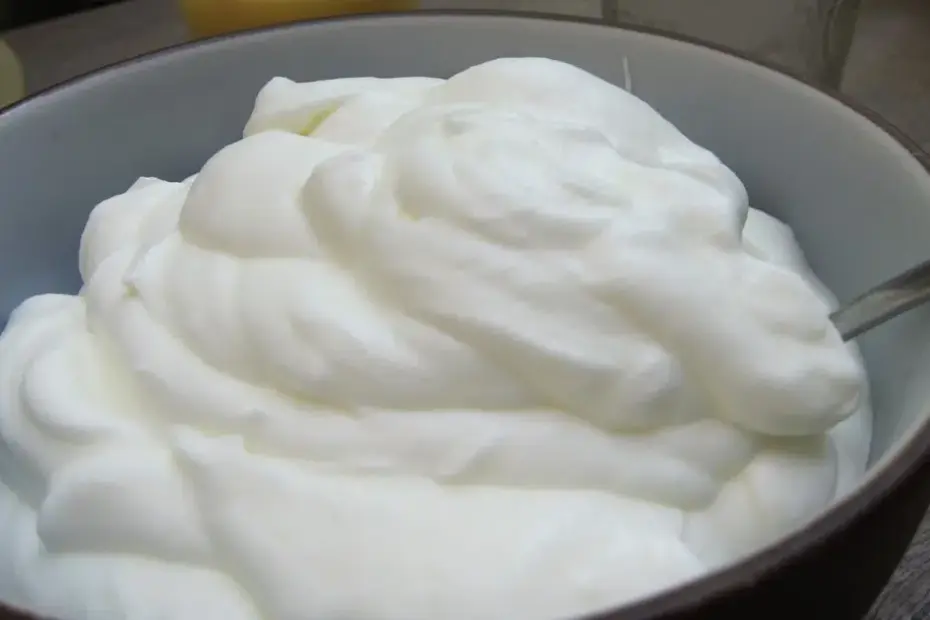
When I first started cooking, I had no idea there was a difference between heavy cream and whipping cream. They looked the same, came in similar cartons, and were usually sitting next to each other in the grocery store. But I quickly learned that picking the wrong one could make or break a recipe.
If you’ve ever stood in the dairy aisle wondering which to grab, don’t worry—you’re not alone. Let’s dive into what sets these two creams apart and which one is the right choice for your next dish.
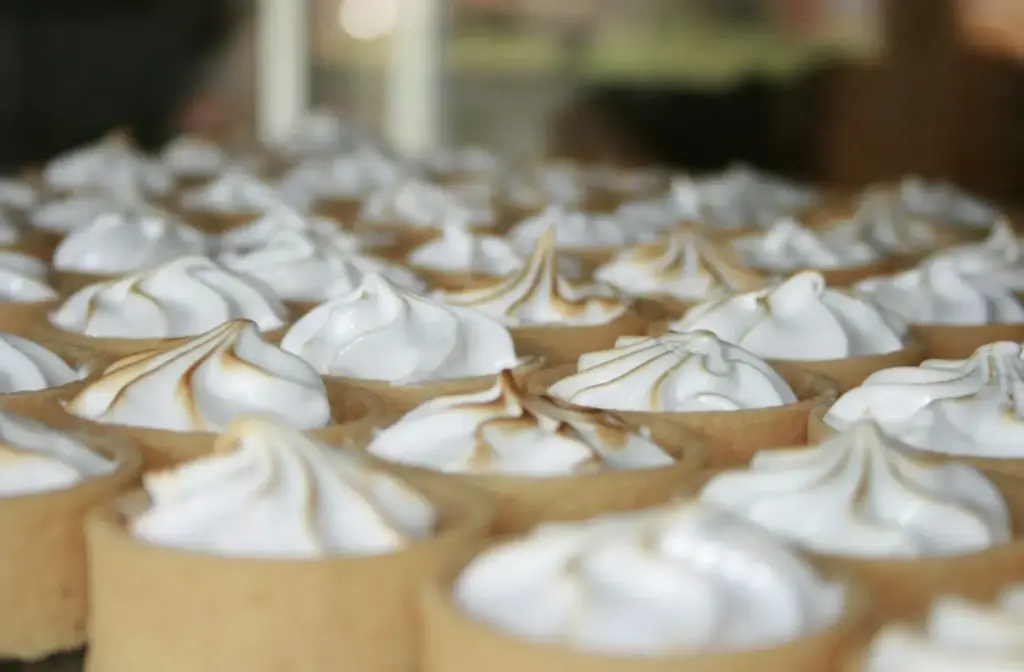
What’s the Difference Between Heavy Cream and Whipping Cream?
It all comes down to fat content.
- Heavy Cream (sometimes labeled as heavy whipping cream) contains 36% or more milk fat. This high-fat content makes it richer, thicker, and better for creating stable whipped cream or creamy sauces.
- Whipping Cream, on the other hand, has a slightly lower fat content—usually between 30% and 35%. It’s still rich but lighter than heavy cream, which makes it a bit easier to work with for some recipes.
While the difference might seem small, that extra fat in heavy cream can make a big difference depending on what you’re making.
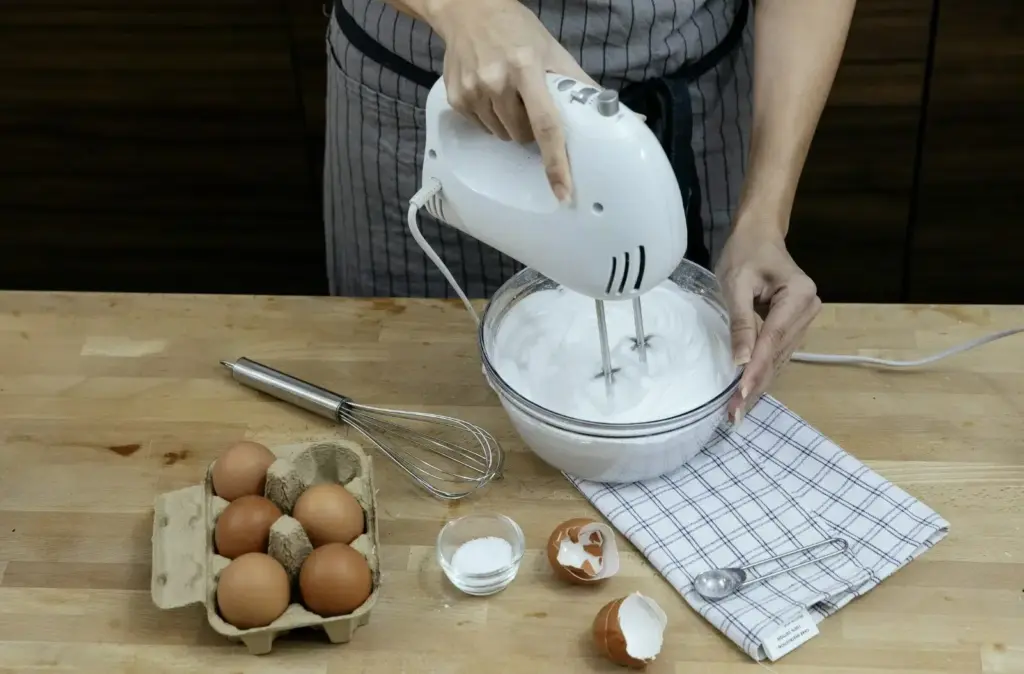
How Do They Perform in Recipes?
The type of cream you use can affect texture, consistency, and even flavor. Here’s a breakdown of when to use each:
Heavy Cream: The Powerhouse
I like to think of heavy cream as the MVP of dairy products. It’s the best choice when you need something that can hold its shape or add richness to your dish.
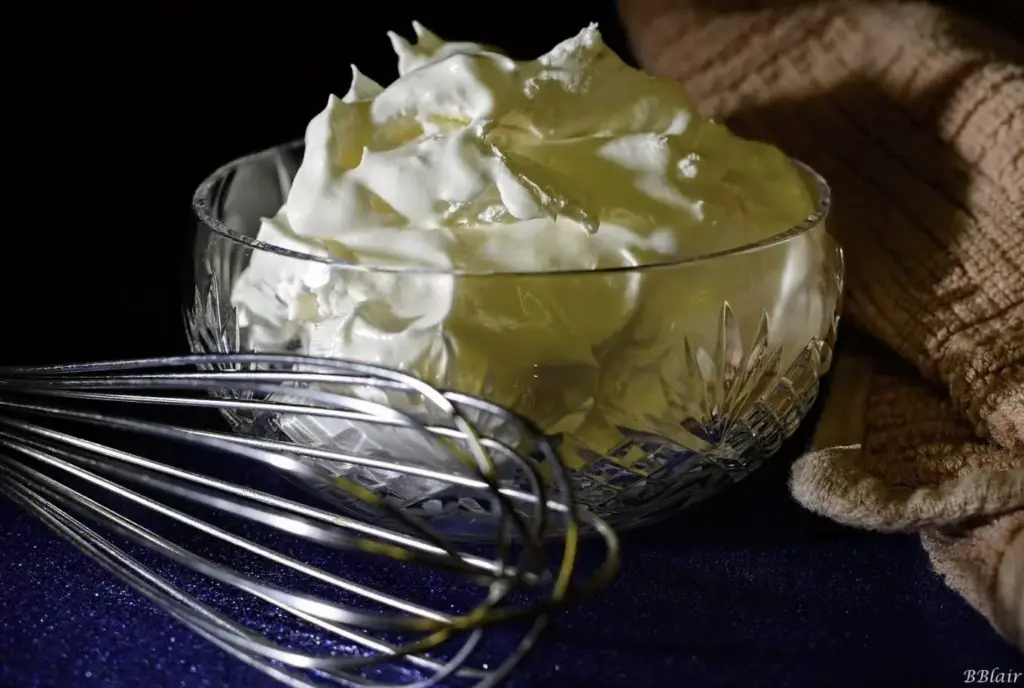
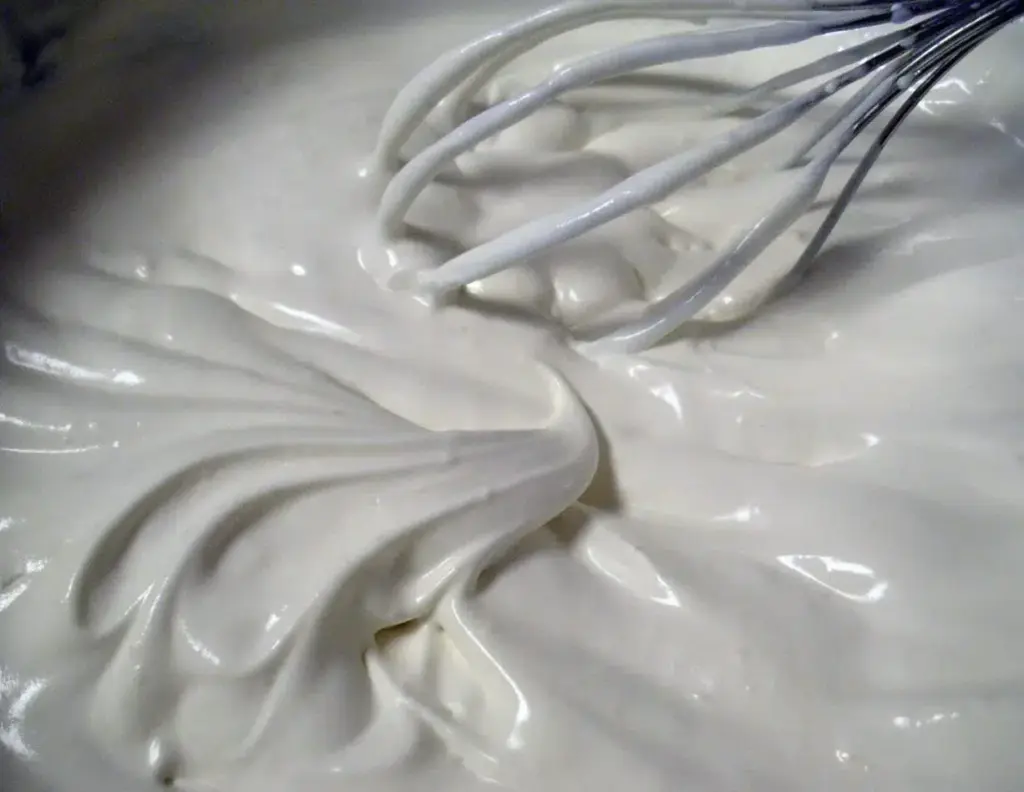
- Whipped Cream: Heavy cream whips up beautifully and stays stable for hours. If you’re making a cake topping or dessert garnish, go with heavy cream for that thick, luscious texture.
- Sauces and Soups: Ever tried making Alfredo sauce or creamy tomato soup? Heavy cream adds that luxurious, silky consistency you can’t get with anything else.
- Baking: For recipes like ganache or custards that need a rich, creamy base, heavy cream is a must.
I once tried substituting whipping cream in a ganache recipe, thinking it wouldn’t make a difference. Let’s just say my “ganache” ended up more like a runny glaze—not the decadent chocolate layer I was hoping for. Lesson learned!
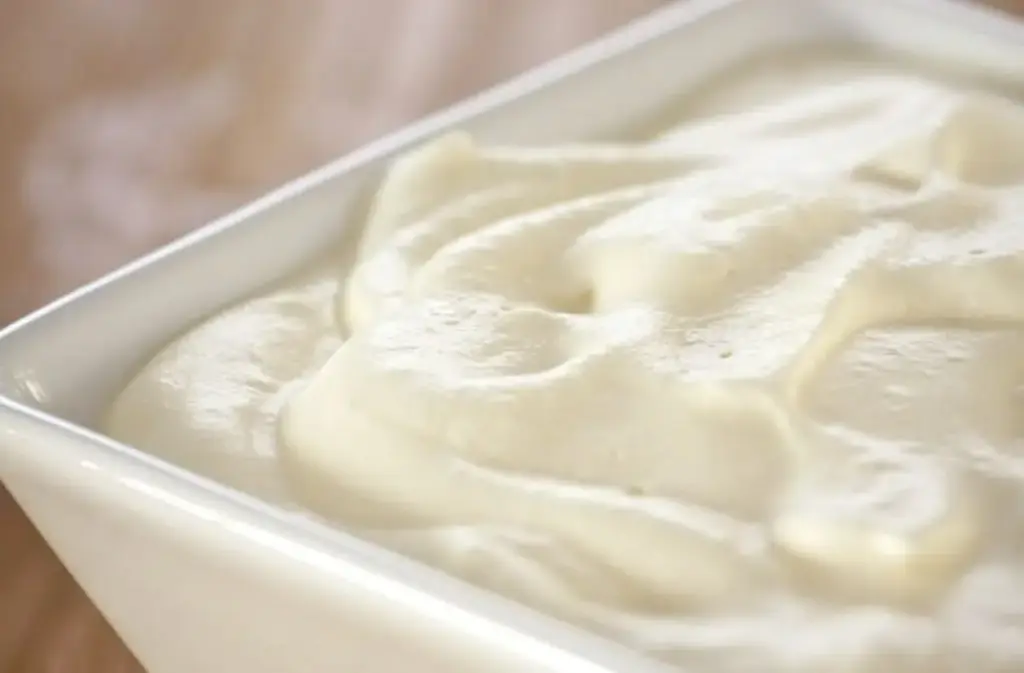
Whipping Cream: The Lightweight Option
Whipping cream still has plenty of uses, especially when you want something a little lighter.
- Light Whipped Toppings: If you’re making a whipped cream topping for pancakes or hot cocoa, whipping cream works fine. It’s a bit softer and easier to spread than heavy cream.
- Desserts: Whipping cream is great for mousses, trifles, or recipes where you don’t need the cream to hold its shape for too long.
- Everyday Cooking: Whipping cream is a good option for lighter sauces or soups where you don’t want as much richness.
Can You Substitute One for the Other?
The short answer is yes—most of the time. But there are a few things to keep in mind.
- For Whipping: If you need stiff peaks that hold their shape, stick with heavy cream. Whipping cream can work, but it won’t hold as well, especially over time.
- For Cooking: You can usually swap heavy cream and whipping cream in soups or sauces without too much trouble. Just know that heavy cream will give you a thicker, richer result.
- For Baking: This is where things get tricky. Some recipes, like ganache or certain custards, rely on the higher fat content of heavy cream for structure. Substituting whipping cream might not give you the same results.
If you’re ever unsure, go with heavy cream—it’s more versatile and less likely to cause issues.
What About Price and Availability?
In most stores, heavy cream and whipping cream are priced similarly and are often found side by side. However, heavy cream might be labeled as “heavy whipping cream,” which can confuse things even more.
If you’re on a tight budget, whipping cream can be a slightly cheaper alternative. But considering the small difference in cost, I usually go with heavy cream to be safe.
Tips for Using and Storing Cream
No matter which one you buy, here are a few tips to get the best results:
- Keep it cold: Cream whips better when it’s chilled. Stick it in the fridge until you’re ready to use it.
- Check the label: Look for creams without added stabilizers or thickeners if you want the purest flavor.
- Store properly: Cream lasts about a week in the fridge after opening. If you can’t use it up, freeze it! Pour it into an ice cube tray for easy portioning.
When it comes to heavy cream vs. whipping cream, it really depends on what you’re making. If you’re after rich sauces, stable whipped cream, or decadent desserts, go with heavy cream. For lighter recipes or casual cooking, whipping cream does the trick.
I’ve learned to always keep a carton of heavy cream in my fridge—it’s my go-to for everything from coffee to pasta sauces. And if you’re ever in doubt, remember: it’s always better to go a little richer than risk a recipe flop!
