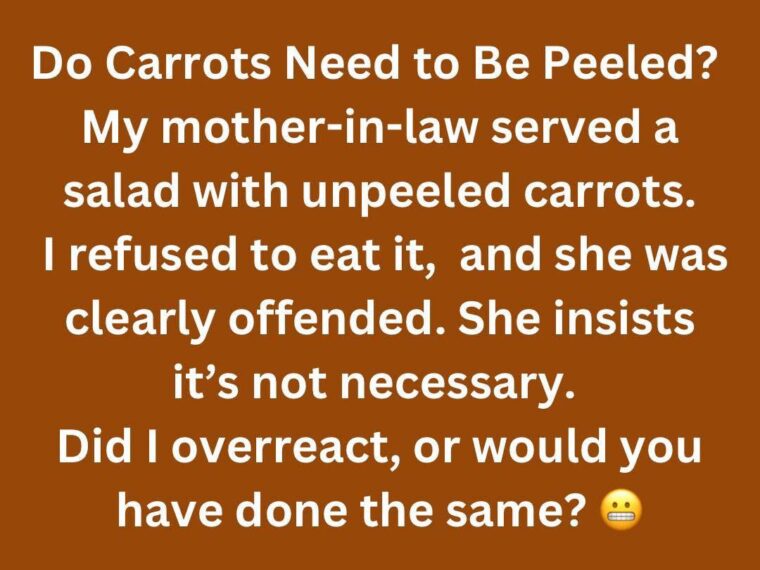
Carrots have been a staple in kitchens across cultures for centuries. Known for their vibrant orange color (and sometimes purple, yellow, or white), carrots are not just a crunchy snack but also an essential ingredient in countless recipes—from savory stews to sweet cakes. But when it comes to preparing them, one simple question stirs debate: should you peel them or not?
Let’s dig deep into the reasons for and against peeling carrots, explore how the choice affects nutrition, flavor, and appearance, and look at what different culinary traditions around the world do with this humble root.
🧼 The Outer Layer: What Is It Really?
Before deciding whether to peel a carrot, it’s helpful to understand what exactly the peel is. The thin outer layer of a carrot is not technically a “skin” like with potatoes or apples. Instead, it’s part of the protective outer cortex that matures and thickens with age.
In freshly harvested carrots, especially smaller or organic ones, the peel is usually thin, tender, and mildly flavored. In contrast, older or conventionally grown carrots may have a thicker, tougher, or slightly bitter outer layer due to oxidation and age.
✔️ Why People Peel Carrots
Here are some of the most common reasons cooks choose to peel their carrots:
1. Aesthetic Appeal
When you’re making a dish where visual presentation matters—such as glazed carrots, julienned salads, or crudités for dipping—a peeled carrot looks smoother, cleaner, and more vibrant in color.
2. Uniform Texture
Peeling eliminates inconsistencies in the texture, especially for larger carrots with rough or woody skins. In purées, soups, or sauces, this can make a noticeable difference in smoothness.
3. Flavor Improvement
The skin can sometimes carry a bitter, earthy aftertaste, particularly in older carrots. Peeling reduces this risk, allowing the naturally sweet flavor of the carrot to come forward.
4. Cleanliness
While carrot skin is edible, it can harbor more dirt, especially if not scrubbed well. Some people prefer peeling as a quick and effective way to ensure cleanliness, particularly when the carrots come straight from the ground.
❌ Why Many People Skip Peeling
On the other side of the spectrum, there’s a growing movement—especially among home cooks, environmentalists, and nutritionists—toward not peeling carrots. Here’s why:
1. Nutrient Preservation
Like many vegetables, carrots have nutrients concentrated near the surface. While the difference isn’t massive, peeling can remove small amounts of vitamin C, antioxidants, and fiber that are present just under the outer layer.
2. Time-Saving
If you’re preparing meals regularly, skipping peeling saves a surprising amount of time—especially when cooking in large batches or dealing with small carrots.
3. Less Food Waste
Peeling generates extra scraps. In a world increasingly aware of sustainability and reducing waste, using the whole vegetable—including the peel—has become more popular.
4. Cultural Practices
In some cuisines and traditional dishes, carrots are never peeled. For example, in rustic French countryside cooking or in many Asian stir-fries, unpeeled carrots are simply washed and sliced. The texture adds authenticity and depth to the dish.
🍽️ When You Might Want to Peel
Let’s break it down by use case:
➤ Raw Snacking or Salads
If you’re slicing carrots to eat raw or use in a salad, peeling them will usually improve the texture and remove any bitterness from the skin. This is especially true for older carrots.
➤ Roasted or Grilled
For roasted or grilled carrots, peeling is optional. The heat softens the outer skin, and many enjoy the caramelized, rustic look and taste of unpeeled carrots.
➤ Soups and Stews
If the carrots are going to be blended into a creamy soup or purée, peeling ensures the smoothest result. But in chunkier stews or broths, unpeeled carrots work just fine, especially if scrubbed well.
➤ Juicing
Juicing enthusiasts often debate whether to peel carrots. If the carrots are organic and washed thoroughly, leaving the peel on is perfectly fine. However, if they’re conventional and waxed, peeling might improve both taste and purity.
➤ Baby Food
When preparing food for babies or people with sensitive digestion, peeling might be a better choice for safety and smoother texture.
🌱 What About Organic vs. Conventional Carrots?
TO CONTINUE READING THE ARTICLE PLEASE SEE PAGE 2
