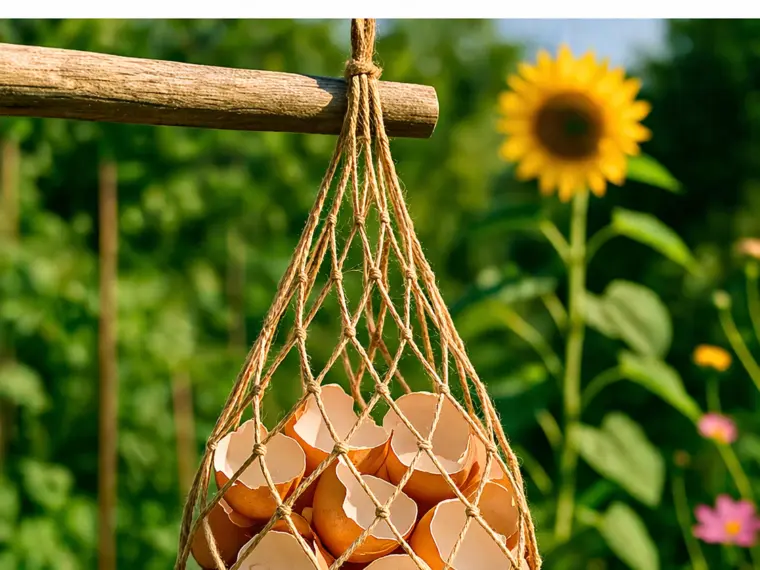
Here’s how to get the most out of them:
Start by rinsing the shells to remove any leftover egg residue. Let them dry completely—this is important to avoid odors. Once dry, crush them into small pieces or grind them into a fine powder. The finer the texture, the faster they will release nutrients into the soil.
You can then mix the crushed shells into your garden beds, add them to compost, or even sprinkle them around the base of plants. Over time, they enrich the soil and improve plant health naturally.
A Sustainable Gardening Habit
What makes this method truly appealing is its sustainability. Instead of adding to household waste, you’re recycling something that would normally be thrown away. It’s a small change, but over time, it reduces waste and saves money on fertilizers.
For gardeners who care about organic practices, eggshells are especially valuable because they are completely natural and free from chemicals. You know exactly what you’re adding to your soil.
More Creative Uses You Might Not Know
Eggshells can do even more than just feed your plants. Some gardeners use them as seed starters by planting seedlings directly inside half shells. Others add crushed shells to compost to balance acidity or mix them into potting soil for better drainage.
And yes, hanging them as shown in the image adds a rustic, handmade touch to your garden. It blends function with visual appeal, making your space feel both practical and charming.
Final Thoughts
Hanging eggshells in your garden might seem like a small, even quirky idea—but it reflects a smarter way of thinking about waste and gardening. While it won’t solve every problem on its own, it’s a useful habit that supports healthier soil, reduces waste, and encourages a more natural approach to growing plants.
The next time you crack an egg, don’t rush to throw the shell away. That simple habit could be the beginning of a more productive, sustainable, and creative garden.