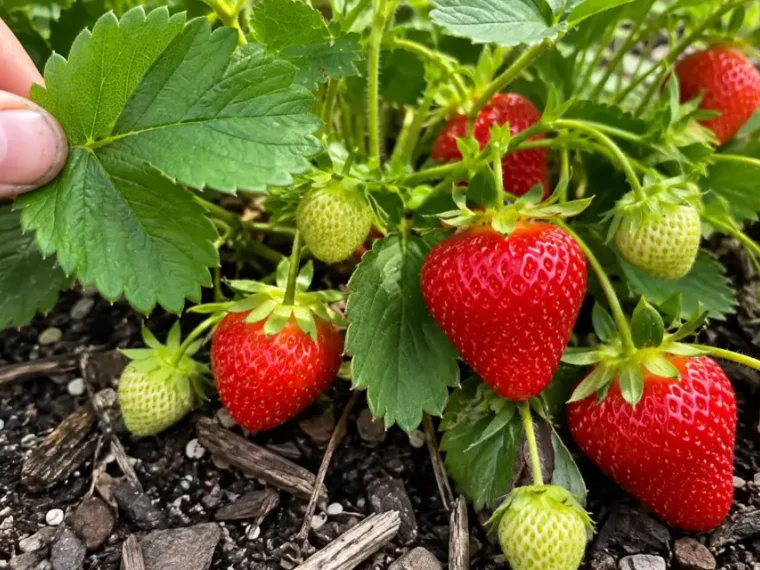
Most people love strawberries for their sweet, juicy fruit. But when you prepare them, you probably throw away the green tops. What you might not know is that strawberry leaves hold incredible natural power. For centuries, traditional herbalists have used these leaves to support digestion, soothe the skin, and provide a boost of vitamins.
Instead of tossing them in the compost bin, you can easily use strawberry leaves at home. This article covers the main benefits of strawberry leaves, step-by-step instructions for homemade uses, and important safety guidelines.
The Main Benefits of Strawberry Leaves
Strawberry leaves are packed with beneficial compounds. They actually contain more antioxidants than the fruit itself. Here are the most important health benefits they offer:
- Rich in Antioxidants and Vitamin C: The leaves are loaded with polyphenols and vitamin C. These natural antioxidants help protect your body’s cells from damage, reduce oxidative stress, and support a healthy immune system.
- Improves Digestion and Stomach Health: Strawberry leaves are rich in tannins. Tannins are compounds that have a natural astringent, or tightening, effect. Because of this, strawberry leaf tea has long been used to calm upset stomachs, ease bloating, and help stop mild diarrhea.
- Supports Heart and Blood Health: The active compounds in the leaves may help improve blood flow and reduce inflammation. Some studies suggest that the polyphenols in strawberry leaves can help keep blood sugar levels stable and support overall cardiovascular health.
- Soothes Skin Irritations: When used on the outside of the body, the anti-inflammatory properties of the leaves can help calm the skin. They are often used as a natural wash to soothe minor rashes, redness, or itchy insect bites.
- Acts as a Mild Diuretic: Drinking strawberry leaf tea can encourage the body to flush out excess fluids. This mild diuretic effect helps reduce water retention and supports kidney function.
How to Harvest and Prepare Strawberry Leaves
To get the most out of strawberry leaves, you need to prepare them correctly. You can use leaves from the wild strawberry plant or the regular garden strawberry.
- Harvesting: Pick healthy, green leaves. Do not use leaves that have brown spots, fungal issues, or look diseased. The best time to pick them is in the spring or early summer when they are fresh.
- Washing: Rinse the leaves thoroughly under cold water to remove dirt, bugs, or dust.
- Using Fresh vs. Dried: You can use the leaves fresh right after washing them. However, drying them allows you to store them for months.
- Drying Process: To dry the leaves, spread them out in a single layer on a clean towel or drying rack. Keep them in a dry, well-ventilated area away from direct sunlight. It will take a few days for them to become completely dry and crispy. Once dried, store them in an airtight glass jar in a dark cupboard.
Homemade Uses for Strawberry Leaves
Using strawberry leaves at home is simple and requires very few tools. Here are the most effective ways to use them.
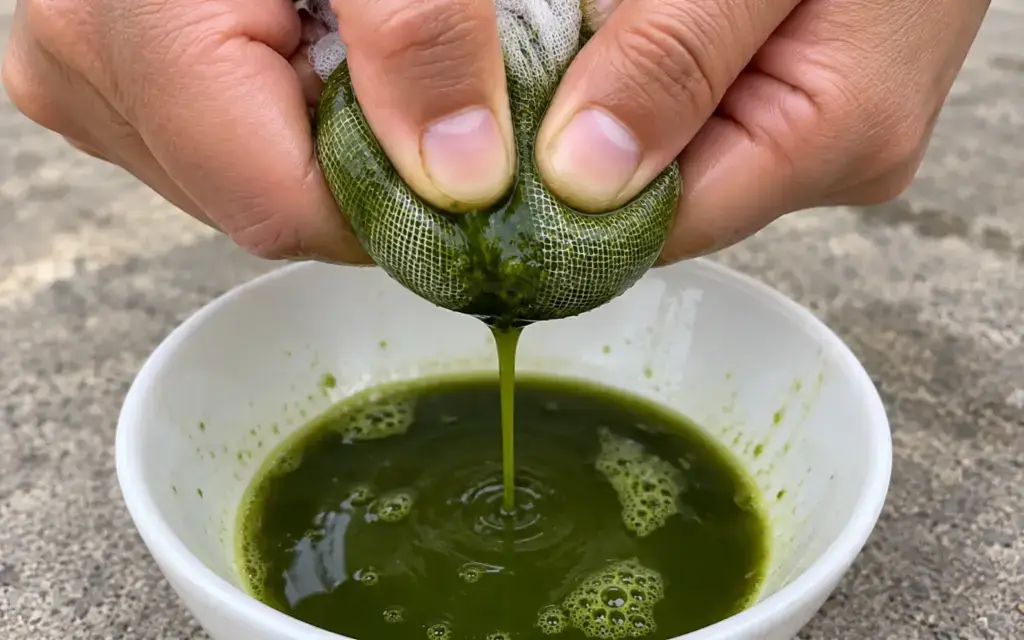
Strawberry Leaf Tea (For Internal Health)
This is the most popular way to use the leaves. It has a mild, earthy, and slightly fruity flavor.
- Take 1 tablespoon of dried crushed strawberry leaves, or 2 tablespoons of chopped fresh leaves.
- Place the leaves in a mug and pour 1 cup of boiling water over them.
- Cover the mug and let the tea steep for 10 to 15 minutes.
- Strain the leaves out of the liquid.
- You can drink it plain, or add a little honey and a slice of lemon for taste. Drink one to two cups a day to support digestion or boost your immune system.
Soothing Skin Wash (For External Use)
If you have a minor skin rash, eczema, or an itchy bug bite, a strong strawberry leaf tea can be used as a topical wash.
- Boil 2 cups of water and add a large handful of fresh or dried strawberry leaves.
- Let the mixture simmer gently for 10 minutes.
- Remove the pot from the heat and let the liquid cool down completely.
- Strain out the leaves.
- Dip a clean cloth or cotton pad into the cool liquid and apply it directly to the irritated skin. You can store the leftover liquid in the refrigerator for up to three days.
Bath Soak for Muscle and Skin Relief
For full-body relaxation and skin soothing, you can add strawberry leaves to your bath.
- Take one cup of dried leaves and steep them in a large pot of boiling water for 30 minutes.
- Strain the strong liquid and pour it directly into your warm bathwater.
- Soak in the tub for 20 minutes to relieve stress and calm dry or irritated skin.
Safety, Side Effects, and Precautions
Strawberry leaves are generally very safe for most people, but there are a few important things to keep in mind before you use them.
- Allergies: If you are allergic to strawberries, you should completely avoid strawberry leaves. Even though the proteins in the leaves might differ slightly from the fruit, the risk of an allergic reaction is too high. Signs of an allergy include itching, swelling, hives, or a skin rash.
- Pregnancy and Nursing: Pregnant and breastfeeding women should avoid consuming large amounts of herbal teas, including strawberry leaf tea, unless they are supervised by a doctor.
- Stomach Sensitivity: Because the leaves are high in tannins, drinking too much of the tea on an empty stomach might cause mild nausea or irritation for some people. It is best to drink it after a meal.
- Pesticides: Only use leaves from strawberry plants that you know are 100% organic and have not been sprayed with chemical pesticides or herbicides. Toxins from chemicals will concentrate in your tea.
Important Medical Disclaimer
The information provided in this article is for educational and informational purposes only. It is not intended to be a substitute for professional medical advice, diagnosis, or treatment. We do not take responsibility for any adverse effects, allergic reactions, or consequences resulting from the use of the suggestions, information, or recipes listed above. Always consult with a qualified healthcare professional or a doctor before adding new herbs, teas, or natural remedies to your routine, especially if you have an existing medical condition, are pregnant, or are currently taking prescription medications. Never delay seeking professional medical advice because of something you have read in this article.